Author: Claire Doyle
Graphics: Addison Golden
At last, the cultural demand for high-quality textiles has come back in style. From the tail end of the 90s to the Forever 21 polyester heyday and the Shein apocalypse, high-quality fibers seem to have lost popular appeal. The expectations of generations past regarding the fabric content and quality has largely been stripped away due to the rise of fast fashion and online shopping. The “feel test" that has always been a central part of deciding between garments has been removed from the equation. As cheap polyester floods every tier of the market, the quality gap between low- and mid-level brands has narrowed to near-irrelevance, so brands now win on influencer endorsements and promotions rather than on fabric. Additionally, the social media tag and search-engine based shopping that the internet has introduced means descriptions of material are presented as a premium attached to the stylistic value of a piece, rather than an expected disclosure. Descriptions like: 100% cotton, linen, wool, cashmere, and silk have become more associated with the “vibe” of the piece and less about the actual function.
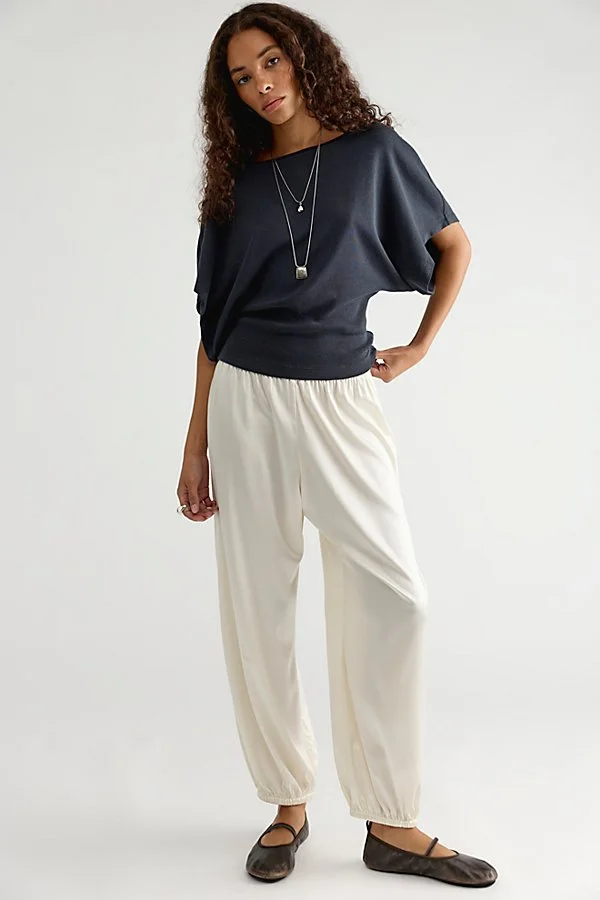
Free people DONNI. The Silk Balloon Pants $448 (100% Silk Charmeuse)
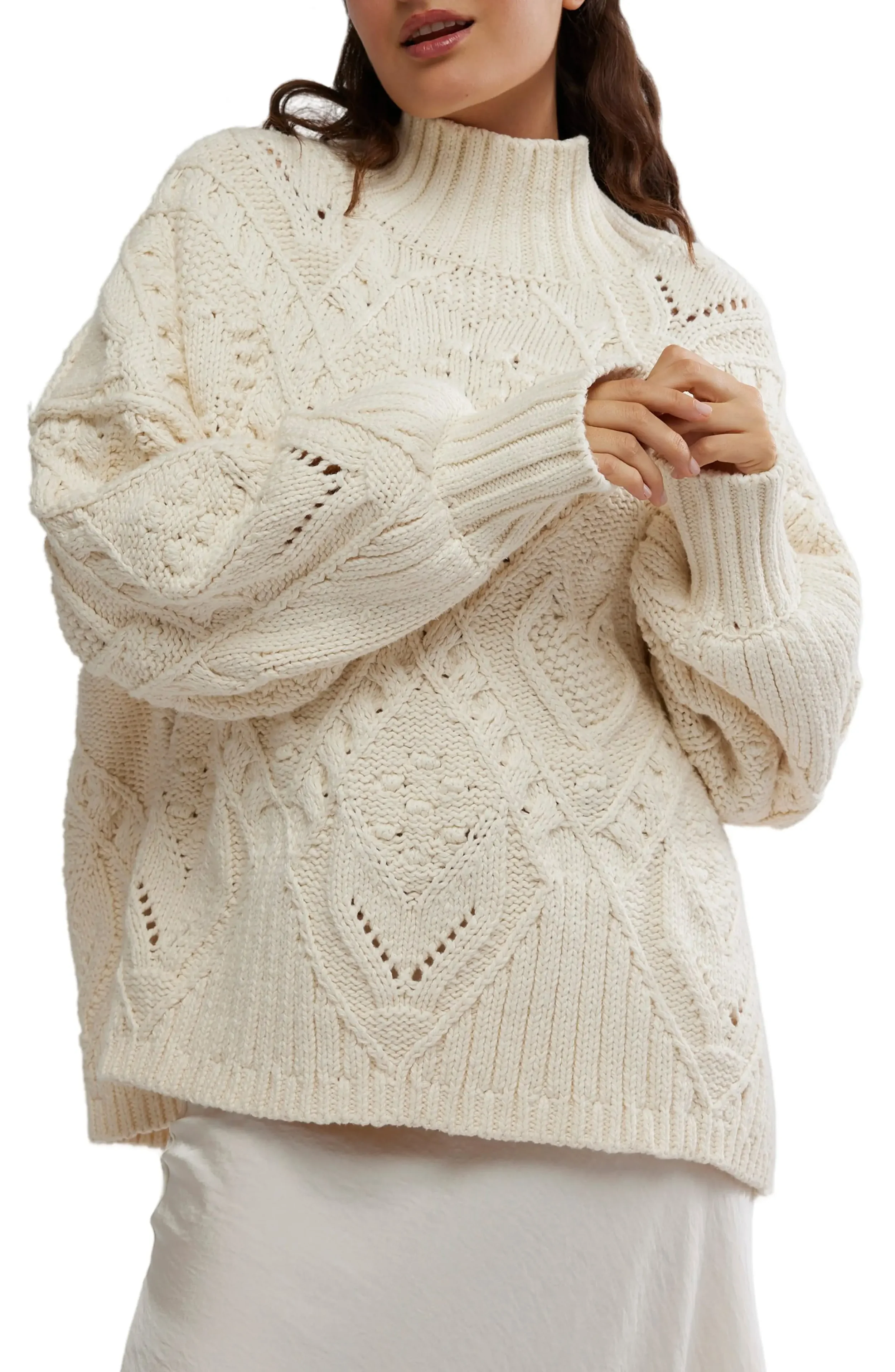
Free people Heart you cotton pullover $268 (100% cotton)
In the age of online shopping, materials are removed from function, and they are instead tacked on as a selling point. Linen equates to euro summer, cashmere is luxury, and silk is feminine etc. etc. However, when a brand is not trying to profit off of the perception of a certain fiber, the material descriptions are suspiciously absent. This, of course, is because everything is made of plastic. The cheap quality of Shein, Amazon, TikTok Shop and other low-end brands come as no surprise, but the real tragedy is how mid-level brands have taken advantage of these circumstances. Brands such as Aeropostale, Anthropologie, Free People, Zara, and H&M are all on the chopping block. If the quality of the clothes does not match the price point, if the premium on the clothes has no connection to what they are made out of, what are we paying for?
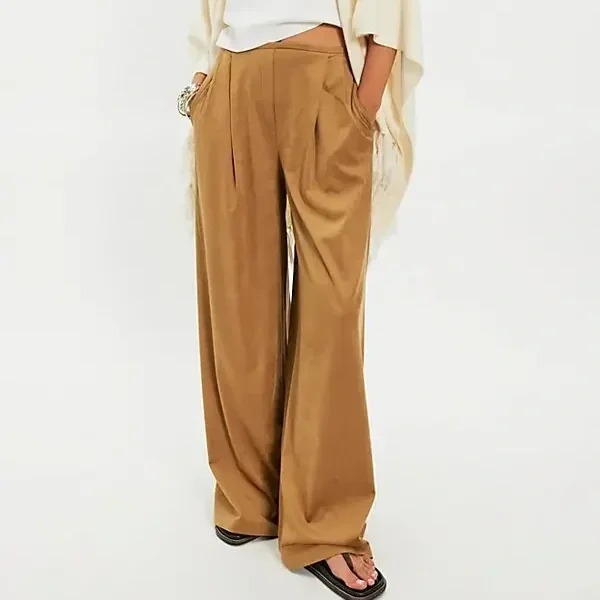
Free People Norma Camali Menswear Pleated Pants (93% polyester, 7% Elastane) $325
Surprisingly, this summer, it seems the people have finally come to their senses. Fifteen years has proven to be enough time for consumers to both see and feel how the fashion cycle has cheapened, and call for a return to quality. Instagram and TikTok are bringing attention to how shoppers are getting the wool (or, in this case, probably acrylic) pulled over their eyes.
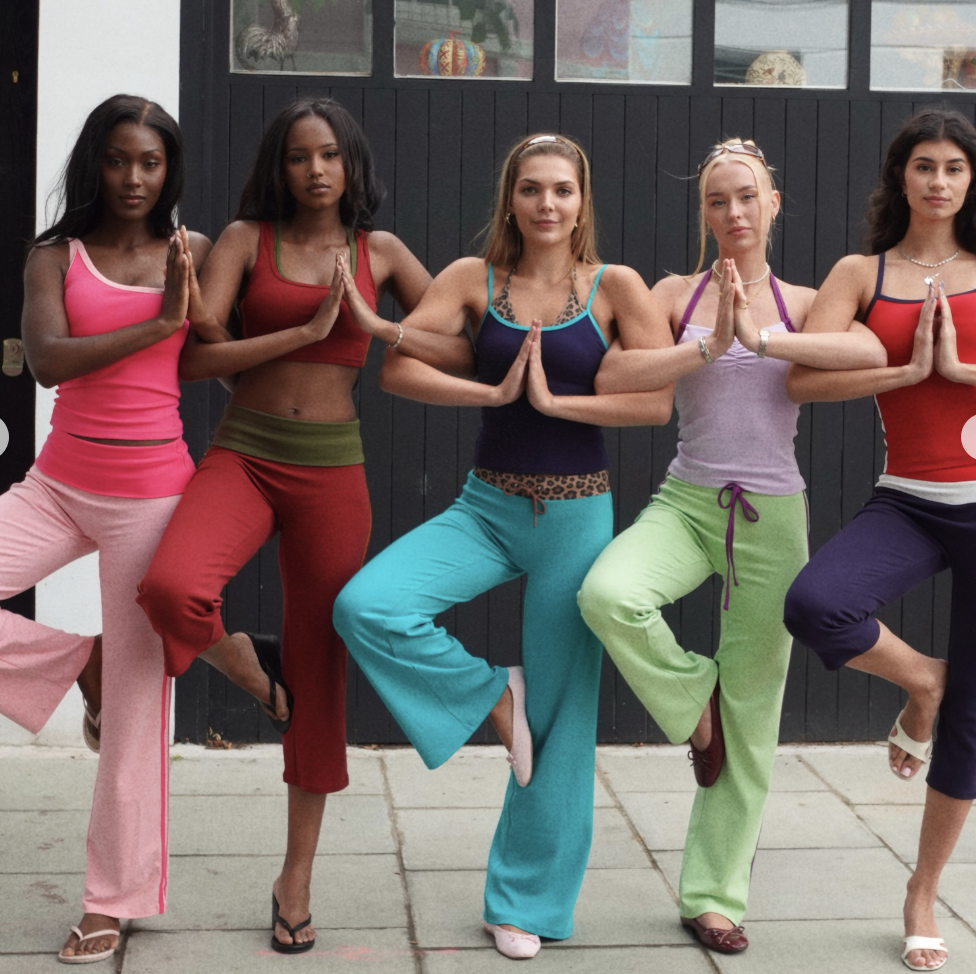
Search results for “natural fiber activewear” Instagram, October 28th, 2026
This summer, Instagram accounts have been pushing for natural fiber activewear framed as a “2000s hot yoga mom” aesthetic. This craze is not exactly deviating from the never-ending trend cycle, but bringing materials to light nevertheless. Some other creators push back on the pressure to repackage natural fibers as another passing trend, and instead candidly call out quality and design directly. One of the most prolific is Rachael Brownfield (@rsbrownfield), who has taken a kind of vigilante approach. She enters retail stores, many on the higher end such as Anthropologie or Free People, and simply pulls out the material description tag on items. She is ruthless and unforgiving. She compares materials to pricepoints and doesn't shy away from addressing the poor quality as both cheating consumers and fueling exuberant textile waste.
Brownfield's account, although having only around 27k followers, is making waves in the retail fashion world. In a string of recent posts she calls “sweatergate” (Racheal Brownfield [@rsbrownfield]. "@abercrombie no one wants plastic sweaters" Instagram, [Reel], 11 Oct. 2026 Instagram) she exposes the new Abercrombie campaign “Sweater Standards”, which explicitly promotes natural fiber products to hop on the trend bandwagon. This line, however, contains mostly mixed material products, heavily focused in the women's line. In the men's line, pieces contain 100% wool though being similarly and often identically priced. Brownfield addressed this and other concerns about the poor quality and mismarketing of the line in an instagram reel on October 8th. On October 10th, Brownfield posted additional videos expressing her fatigue with the misleading campaign. On October 15th, the exact sweaters she compares from the men's and women's sections, with different natural fiber contents at the same price, were discounted. Sweaters from a fresh-off-the-assembly line, autumnal, trend aware campaign went on sale. It doesn't take a conspiracy theorist to connect the dots. The outrage Rachael Brownfield stirred up from a couple of videos is enough to completely shift the pricing of an item.
Although materials like polyester and viscose are the main targets here, this debate is much more than natural-fibers-good synthetic-fibers-bad. There is absolutely a place for synthetic fibers in clothing production. In high durability clothing like workout gear, synthetic blends add a lot of value to a product that natural fibers can not always provide. Water wicking, stretch, sun protection, longevity are all things that synthetic blends can provide garments. More importantly, synthetic fibers can have all of these qualities rolled into one, where some natural fiber fabrics can only take on one function at a time. (BTRA-Scan-Article-3.pdf ). The problem is when material is detached from both its function and its production costs. Synthetic materials should be used in appropriate contexts and priced fairly. For example, Anthropologie asking $445 for a 100% polyester mini sack dress is nothing short of highway robbery.
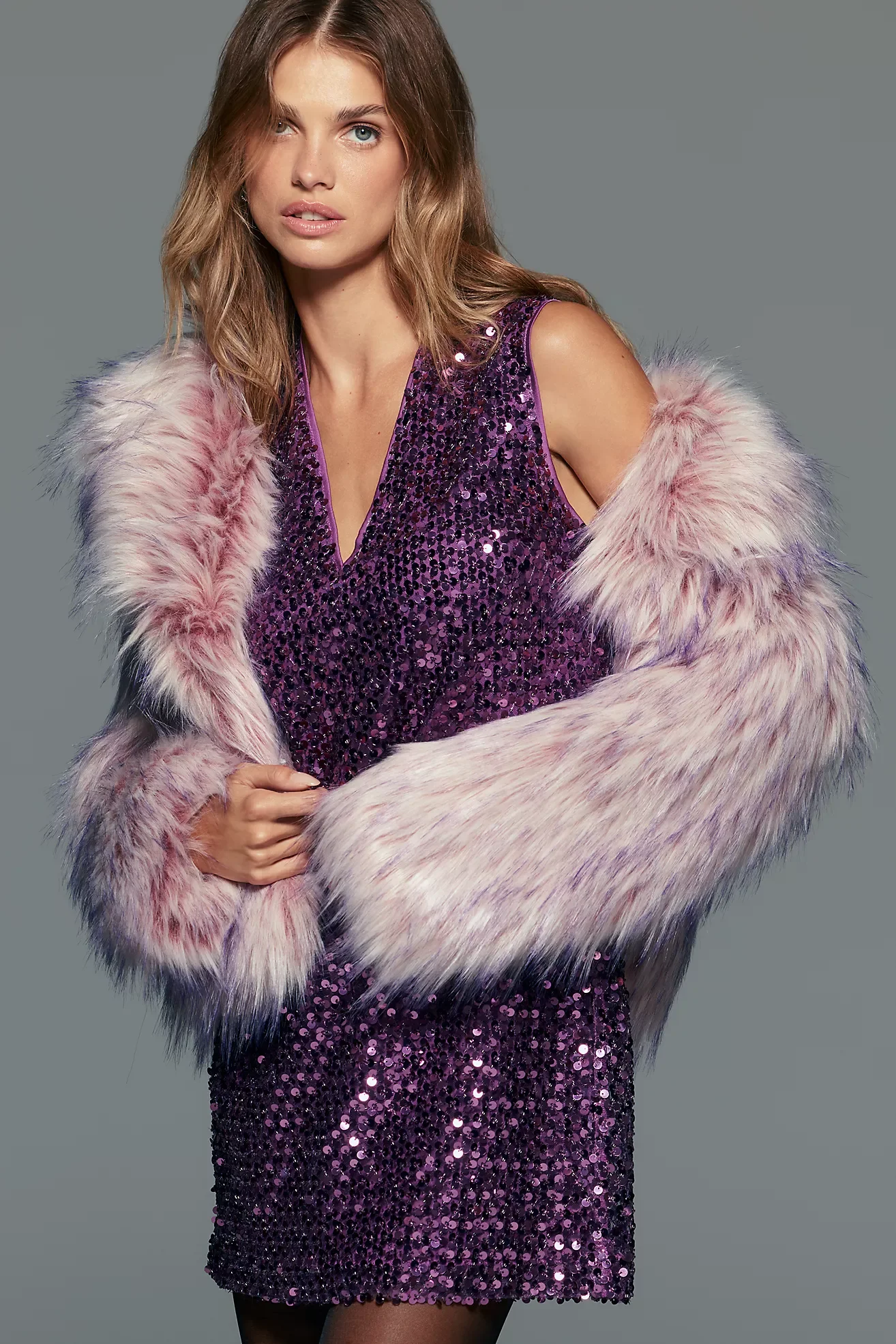
SIMONMILLER Fountain Sequined Mini Dress | Anthropologie $445
This discourse online stems from a general lack of textile knowledge to begin with. What consumers need to focus on is not just whether something is made of natural fibers or not, they need to understand that material and weave are more than a trend, they serve a functional purpose to the wearer. Shoppers are out of touch with fabric, literally and figuratively. Naturally, brands use this as an opportunity to exploit their customers. Retailers now have an opportunity to capitalize on the natural fibers “trend” and start jacking up prices of things like 100% cotton pieces, which have comparable production costs to synthetics (Polyester vs Cotton: Which Fabric Delivers Better ROI for Your Textile Business? ), simply because consumers have quickly bought into the idea that natural fiber clothing is premium.
Consumers are fed up, and perhaps there will be a rocky path back to quality in retail fashion. It seems right now we are in the early stages, and shoppers are just getting a handle on exactly what they can demand of brands, but the movement is promising. There is no claim that from here on out it will be 100% silk satin and genuine leather, but until then, consumers need to know their worth. A customer that is hard to please creates products that are easy to love.